
 COUNTERBALANCE
RICO Manufacturing
691 West Liberty
Medina, Ohio 44256
330-723-4050
marketing@ricoequipment.com
www.ricoequipment.com
Release Date: January 23rd, 2024
For Immediate Release
Rico Manufacturing Promotes Brian Willingham as Director of Sales
Medina, OH – January 23, 2024 – As of January 1, 2024, Brian Willingham has assumed the role of Director of Sales at Rico Manufacturing, marking a significant milestone in his 18-year journey with the company. Beginning his career on the manufacturing floor, Brian progressed through assembly and inspection roles, eventually transitioning to customer service and then to the sales department. He is among the few employees who possess knowledge of the entire truck manufacturing process, from creation to completion.
In his new capacity, Brian will spearhead the sales, marketing, and aftermarket teams. His primary objective is to drive the company's growth and elevate Rico's presence in the materials handling industry. Brian aims to strengthen relationships and partnerships with existing dealerships while expanding our dealer networks for sustained long-term success.
“We are proud to announce the promotion of Brian Willingham to the role of Director of Sales. With a stellar track record of exceeding targets and a deep understanding of our industry, Brian brings a wealth of expertise to this leadership position. This promotion reflects our commitment to recognizing and fostering talent within our organization.” Steve Shuck, President commented.
For more information on RICO Manufacturing’s custom material handling solutions, contact Brian Willingham at 330-723-4050 ext. 8214 or visit our website at www.ricoequipment.com.
About RICO Manufacturing
Headquartered in Medina, Ohio, RICO Manufacturing has been designing and manufacturing specialized lift trucks since 1984 for the most rigorous and demanding industries around the globe. Our custom solutions range in capacities from 1,000 lbs. to over 400,000 lbs. We are very proud to be one of the most self-sufficient companies in the industry. With over 98% of our work performed in-house from design to fabrication to assembly, we are truly unique in the material handling equipment manufacturing industry.

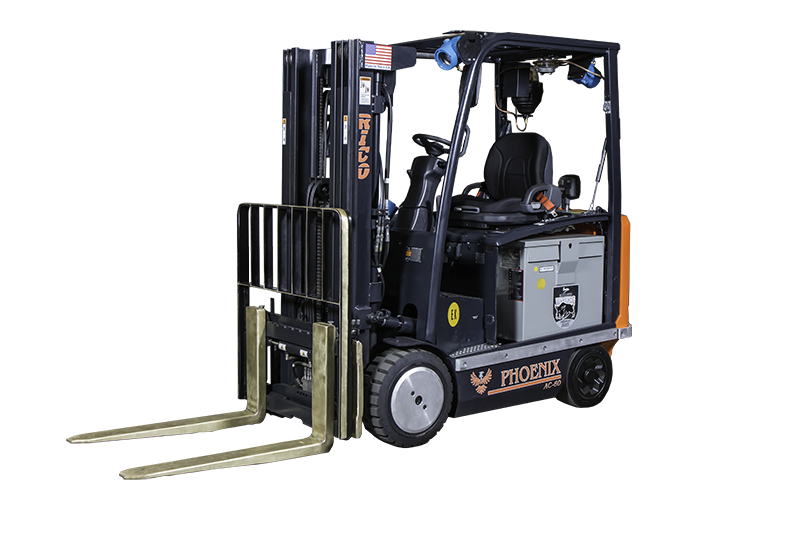
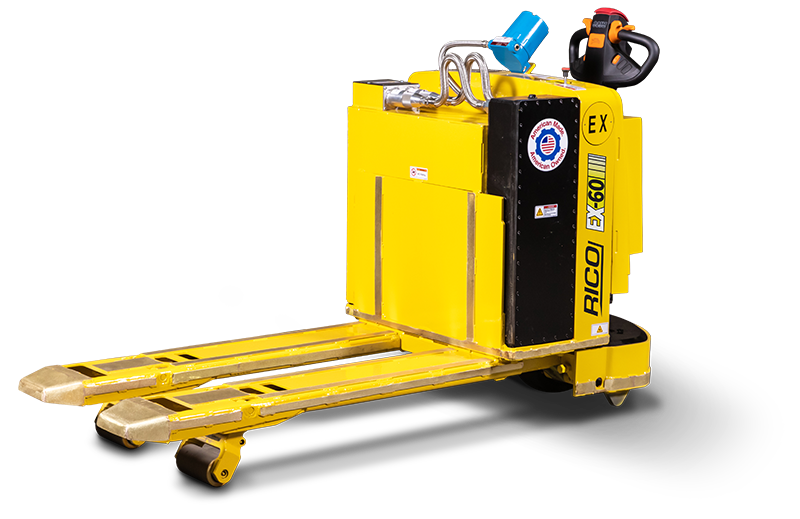
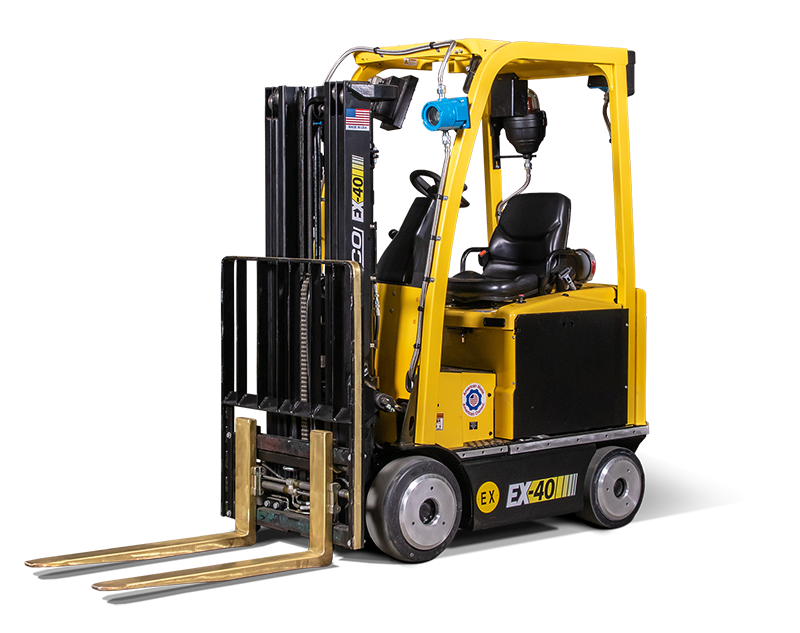

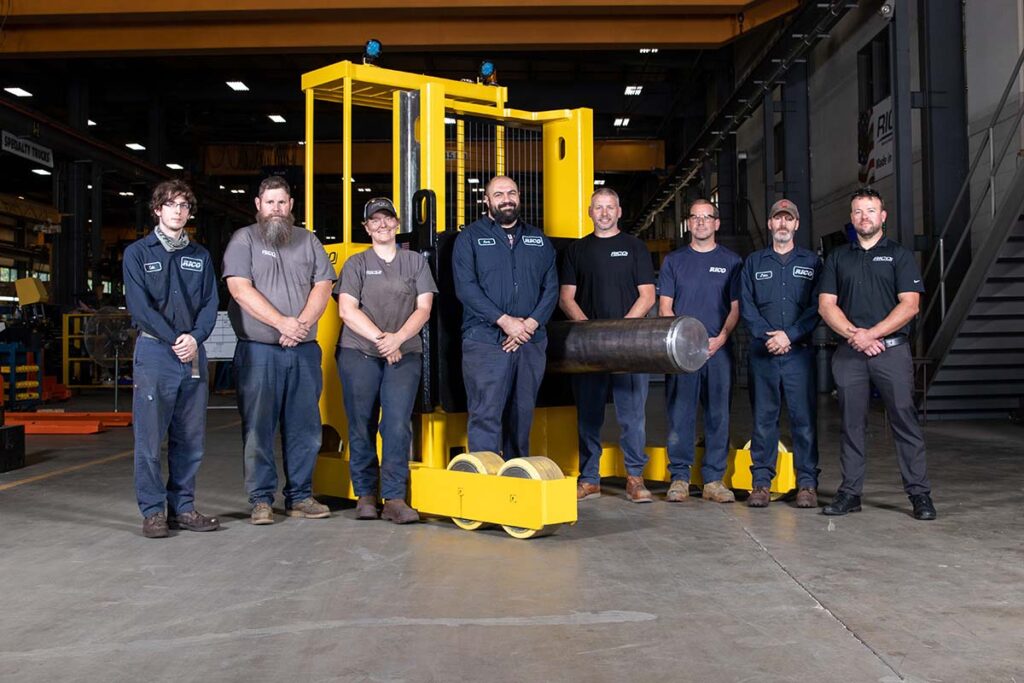
 Your environment may contain flammable gases, vapors, mists and dust that can form an explosive atmosphere. If the atmosphere is ignited, an explosion can take place which could result in severe or catastrophic harm to human life and property.How are you ensuring your lift truck is EX compliance safe?
 Safety starts with RICO!
 Promotion Details:
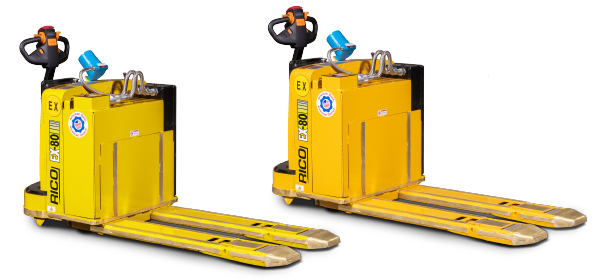
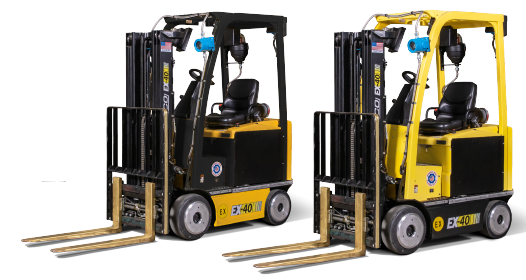
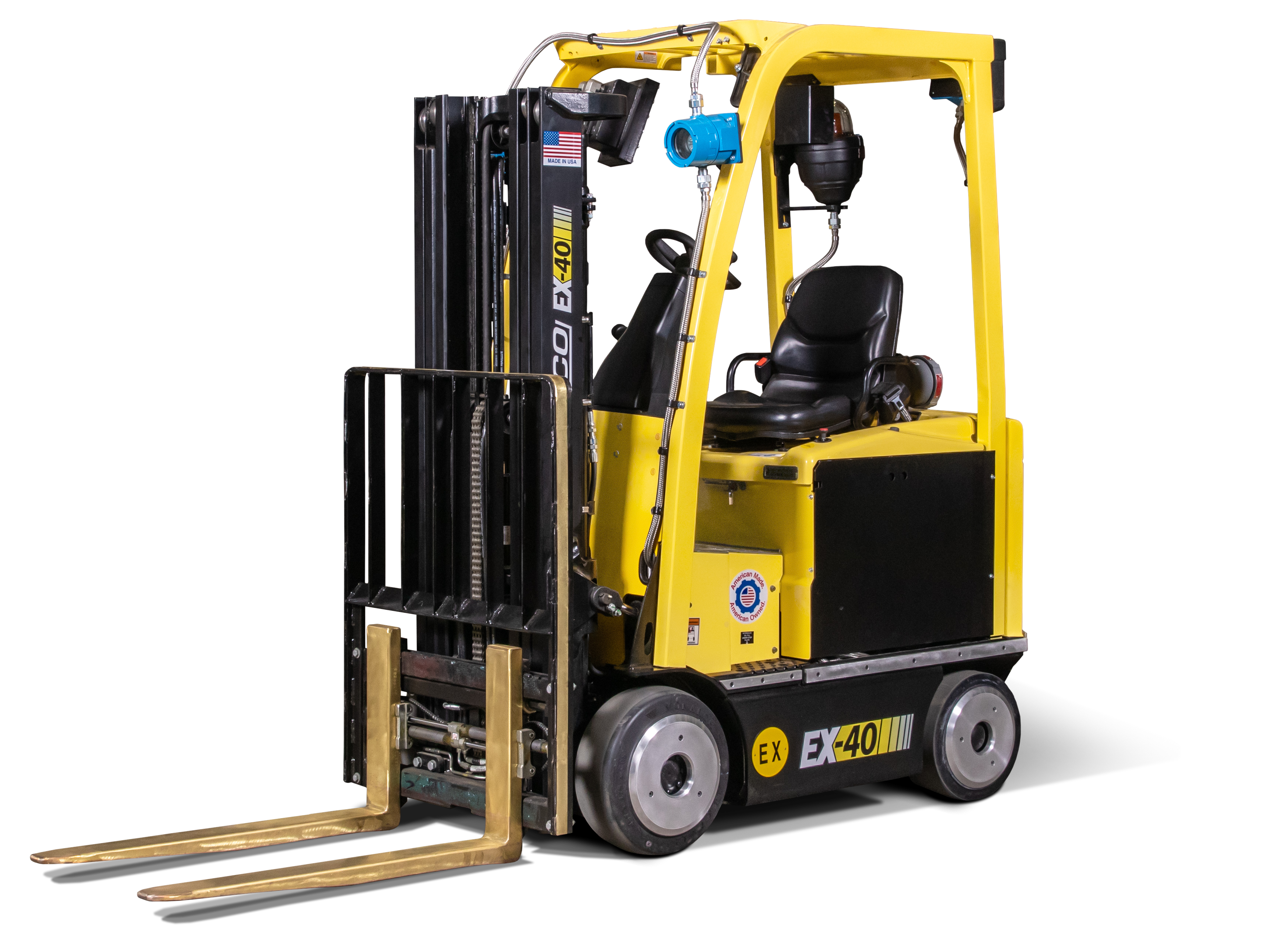
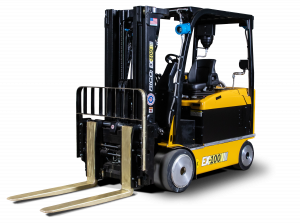 Eligible trucks:

 ;
;